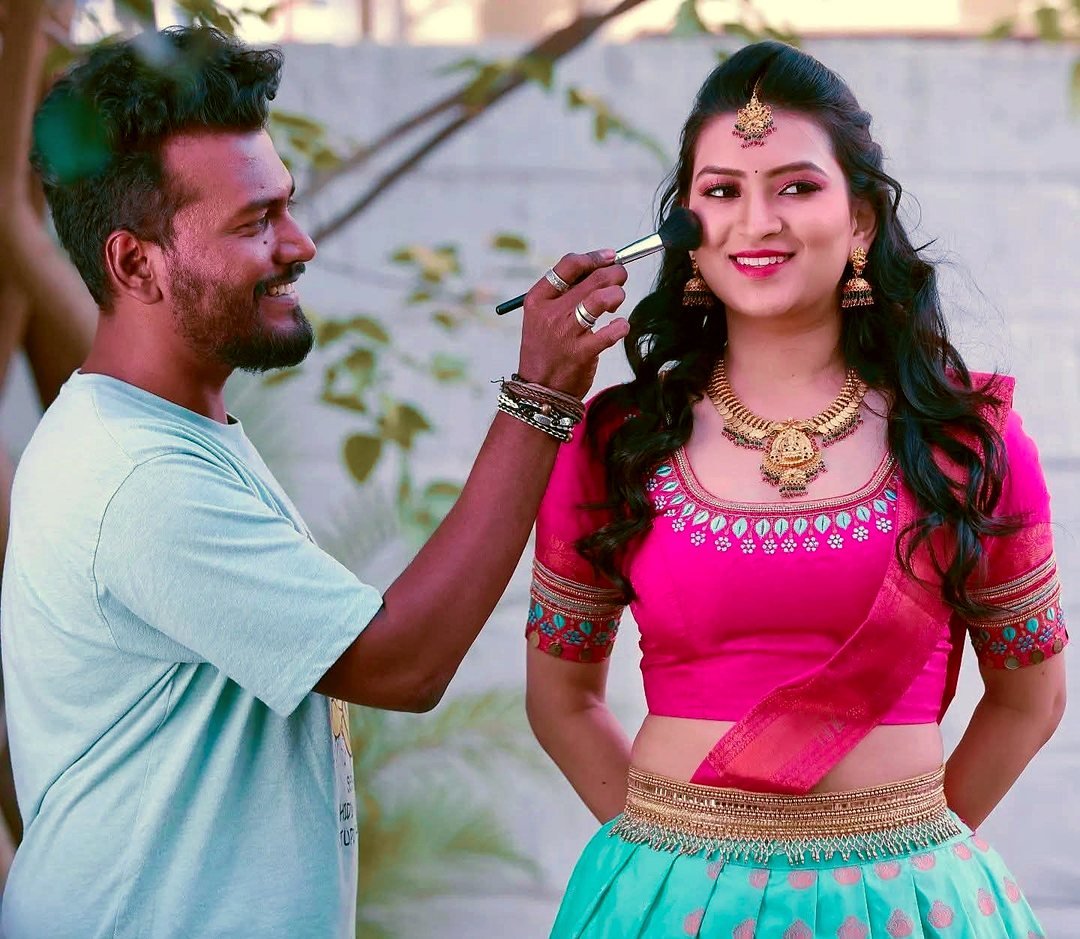
An advertising shoot day is expensive, tightly scheduled and full of people who all need something from the same few hours. Makeup sits right at the start of that day, so how well it is prepared affects everything that follows. Whether you are a brand manager, an agency producer or a production coordinator, here is what to put in place before the shoot.
Start with the brief and the brand
The makeup on an advertising shoot is never just about making someone look good. It has to support the product and the brand. A skincare campaign needs skin that looks healthy and real, because the skin is effectively the product. A jewellery shoot puts the focus on the neck, ears and hands. A lipstick launch needs precise, consistent lips across every frame. A food or banking ad often wants talent who look approachable and natural rather than styled.
Share the creative brief, the mood board and any brand guidelines that touch on look and feel. If the client has strong opinions about the talent’s appearance, such as “fresh and minimal” or “premium evening glamour”, write them down. Vague briefs lead to long conversations on set, which is the most expensive place to have them.
Share the call sheet and schedule early
The call sheet tells your makeup artist almost everything they need to plan the morning. Send it, or a draft version, as early as you can. The key details are:
- Call times for crew and each member of the talent
- The number of talent and how many looks each one has
- Locations, and whether you are shooting in a studio, indoors on location or outdoors
- Daylight windows if the shoot depends on natural light
- Company moves between locations during the day
Outdoor shoots around Bengaluru often chase the softer morning or late afternoon light, which can mean very early calls. If the first shot is planned for sunrise, the makeup start time needs to work backwards from that, with realistic time for each person.
Tell your artist about the talent
Every face is different, and preparation depends on who is in the chair. Share the number of talent and, where possible, photographs. Mention anything that will affect timing or approach: men with beards that need tidying, tattoos that need covering, close-up hand shots that need attention to nails and skin, or talent who will appear in several distinct looks.
Ask the talent, through their agency if needed, about any allergies or skin sensitivities, and pass that information on before the day. Ask them to arrive with clean, moisturised skin and no makeup unless you have agreed otherwise. Clarify who is handling hair, since that changes how much time each person needs before they are camera-ready.
Lighting, camera and deliverables
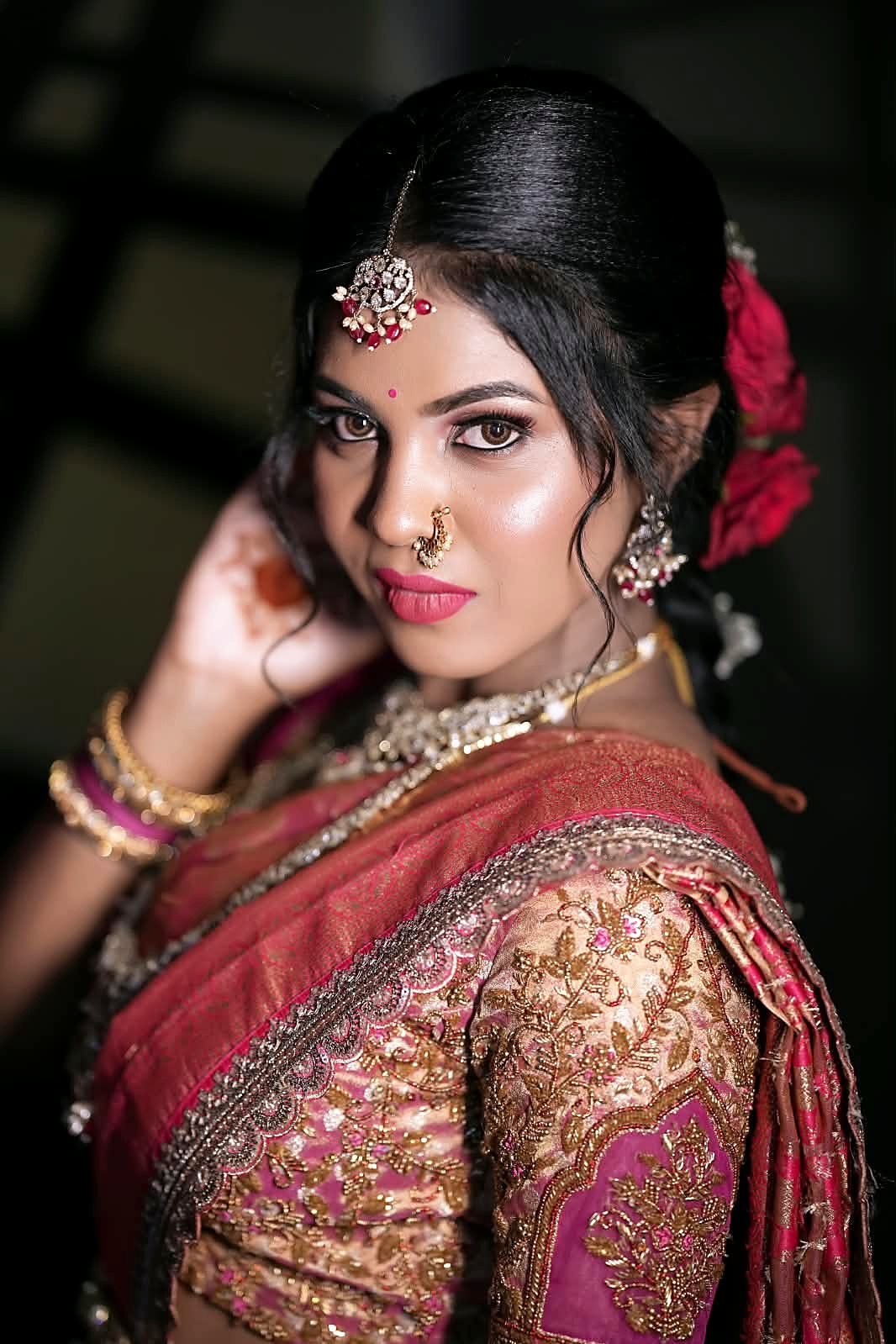
Makeup reads differently depending on how the shoot is lit and captured. Let your artist know whether it is a stills shoot, a film shoot or a hybrid producing both. Many campaigns now capture photographs and video in the same day, and the makeup has to work for flash and continuous light, for still moments and for movement.
Mention any planned extreme close-ups or beauty shots. A macro shot of an eye or a lip asks for a different level of precision from a wide lifestyle frame. Knowing the deliverables in advance means the artist can plan the order of looks and the time for detailed work, rather than discovering it on set.
The more the makeup artist knows before the shoot, the less of your shoot day is spent finding out.
Plan the space and approvals on the day
A good makeup area is a simple thing that often gets forgotten. Set aside a space with good, even light, ideally near a window or with proper lamps, a table, a comfortable chair, a mirror and a reliable power point. On outdoor locations, shade and somewhere clean to work make a real difference.
Just as important is deciding who approves each look. On advertising shoots, opinions arrive from the brand, the agency, the director and the photographer. Agree in advance who has the final word on makeup, and schedule a quick look check on the first talent before everyone else goes into the chair. Changes made early cost minutes; changes made after the first set-up cost far more.
Before an advertising shoot, share: the creative brief and mood board; the call sheet with call times and locations; the number of talent and looks per person; talent photos, sensitivities and special requirements; whether you are shooting stills, video or both; planned close-ups; and the name of the person who approves looks.
Leave room for touch-ups
Finally, build touch-up time into the schedule. Talent under lights, outdoors in the afternoon or changing outfits through the day will need checks between set-ups. Planning for those few minutes keeps the look consistent from the first frame to the last.
You can read more about advertising and photoshoot makeup and how makeup for film differs from photography. If you are preparing a budget, what a makeup artist needs for a project quote may help. When you’re ready, share your shoot details or send a message on WhatsApp.
Planning something similar? Share your date, location and the look you have in mind, and Aarav will get back to you with availability and next steps.
Enquire on WhatsApp (opens WhatsApp)Explore Advertising Shoot Makeup