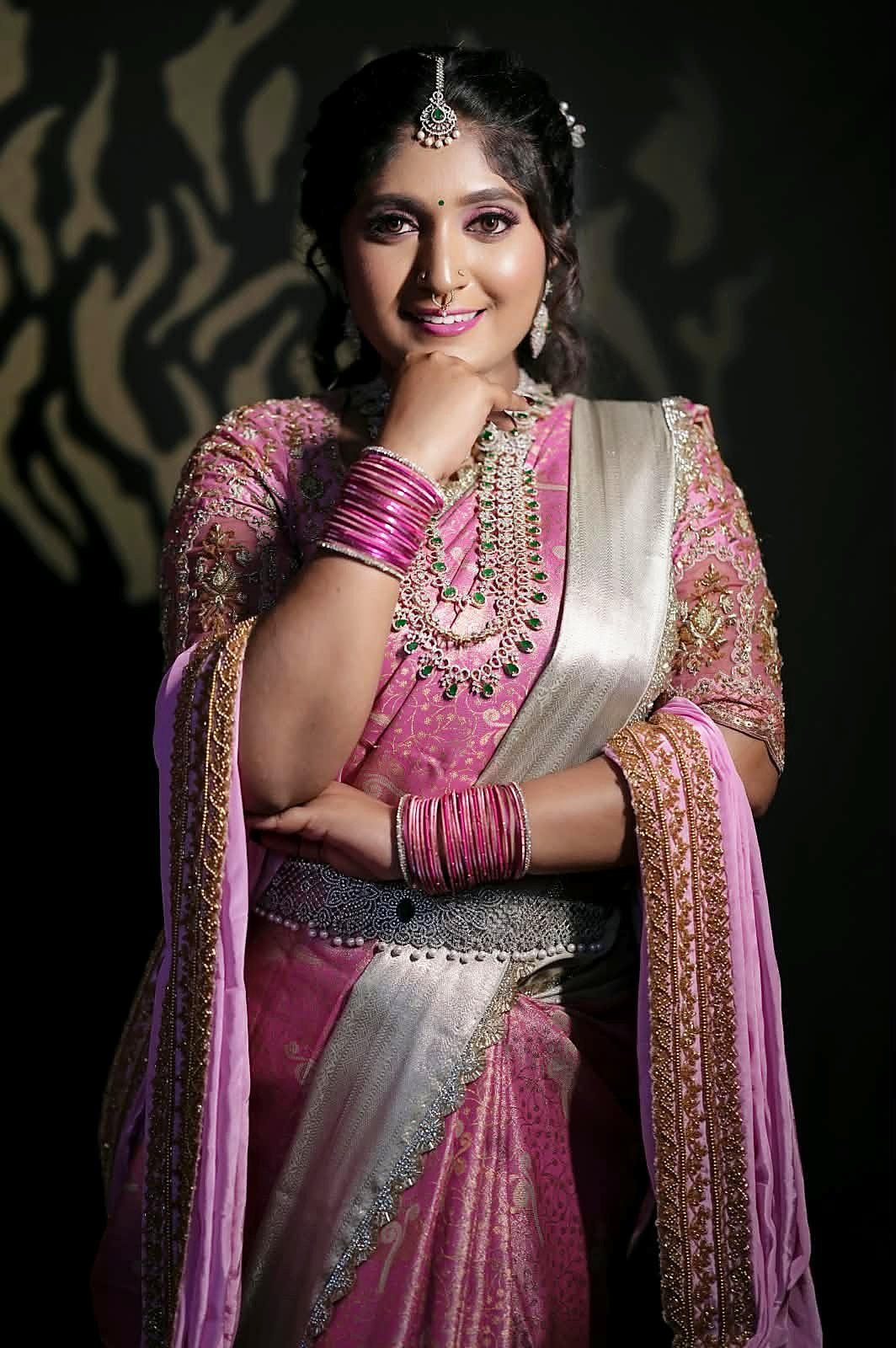
In fashion photography, makeup is part of the styling. It can quietly support a collection or become the most memorable thing in the frame, but either way it works best when it is planned alongside the clothes, the hair, the light and the story, rather than decided in the chair on the morning of the shoot.
Begin with the story and the clothes
Every fashion shoot has a point of view. An editorial might be telling a story about a place, a character or a mood. A lookbook needs to show garments clearly and consistently. A campaign has to express a brand in a handful of images. Before thinking about lipstick shades, be clear about which of these you are making and what feeling the images should leave behind.
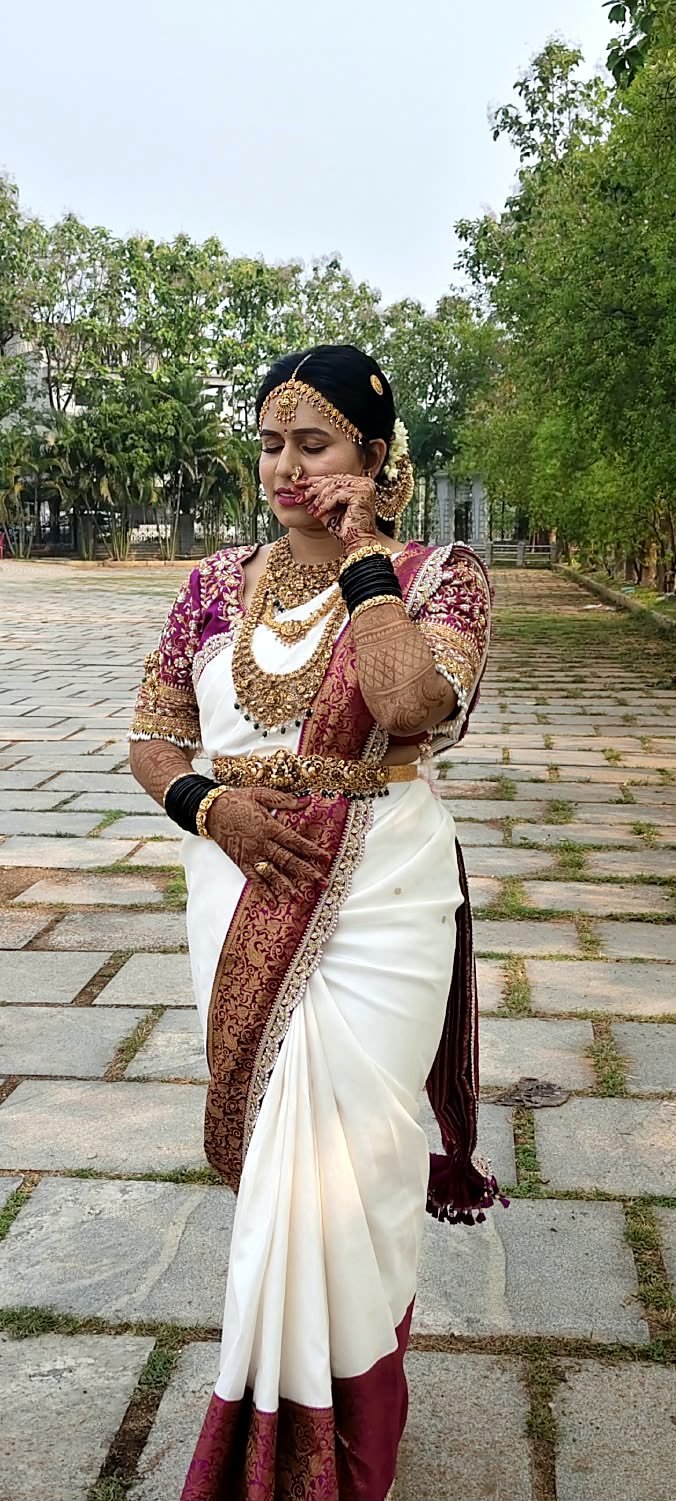
Then look closely at the clothes. Colour, texture and silhouette all influence the face. A heavily embellished bridal couture piece, a minimal linen collection and a bold printed resort line each call for a different approach. Share photos of the key garments with your makeup artist early, ideally the actual pieces rather than inspiration, so the makeup can be designed to sit with them.
Build a shared mood board
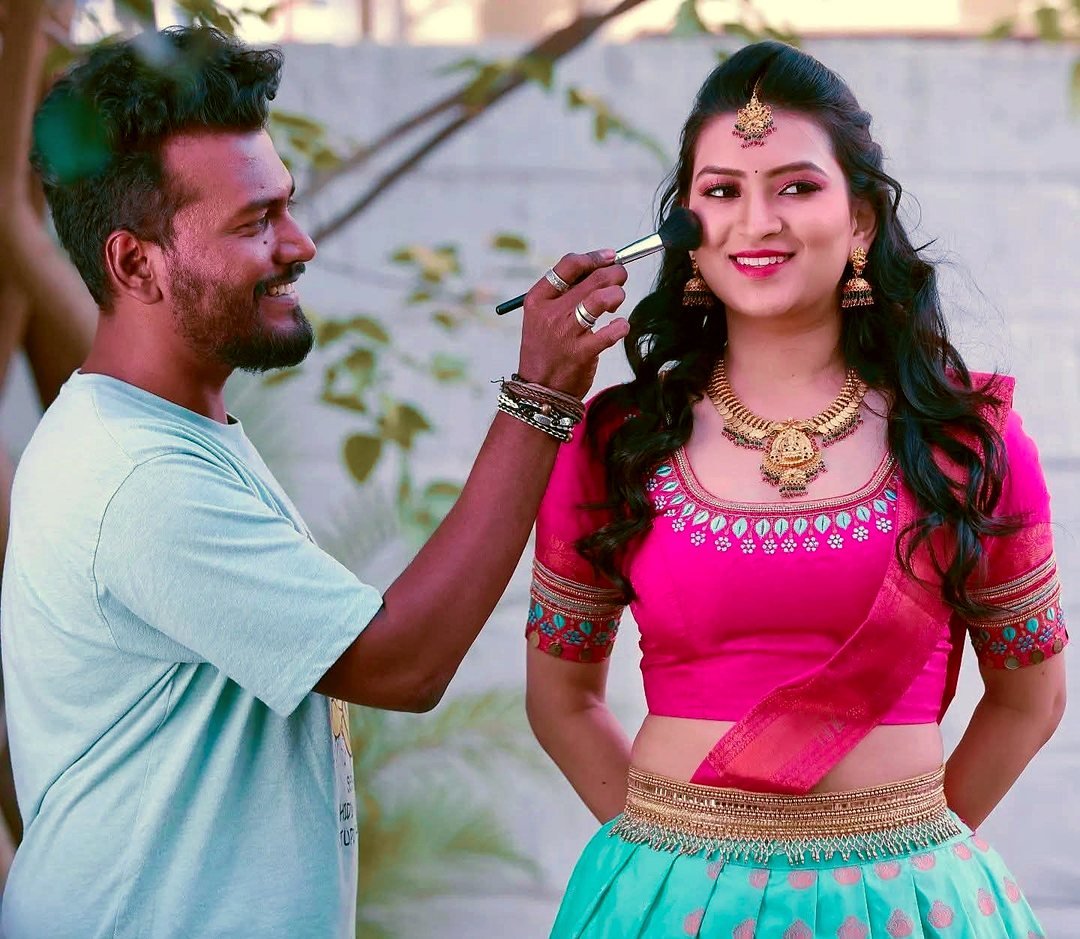
A mood board is the single most useful planning tool for a fashion shoot, but only if everyone builds it together. The photographer, stylist, hair stylist and makeup artist should all be looking at the same references, not separate folders on separate phones.
Include references for makeup specifically, but also for lighting, posing and overall mood, because they all affect how makeup reads. Add a few images of what you don’t want. “Natural” can mean barely-there skin to one person and a soft, polished face to another, and references settle that far faster than words.
If the photographer, stylist and makeup artist are all looking at the same mood board, the shoot is already half planned.
Plan the looks and the order of changes
Most fashion shoots involve more than one look, and the order you shoot them in matters. Moving from a clean, minimal face towards something stronger is usually much faster than the reverse, because adding colour and definition takes less time than removing it and rebuilding the skin.
Work with your stylist and makeup artist to sequence the outfits so that makeup changes build logically. A change of lip or eye can often happen in minutes; a full change from a dramatic look back to bare skin takes considerably longer. Agree how much time each change needs and build it into the shot list, so the schedule reflects reality rather than optimism.
Work with the light, not against it
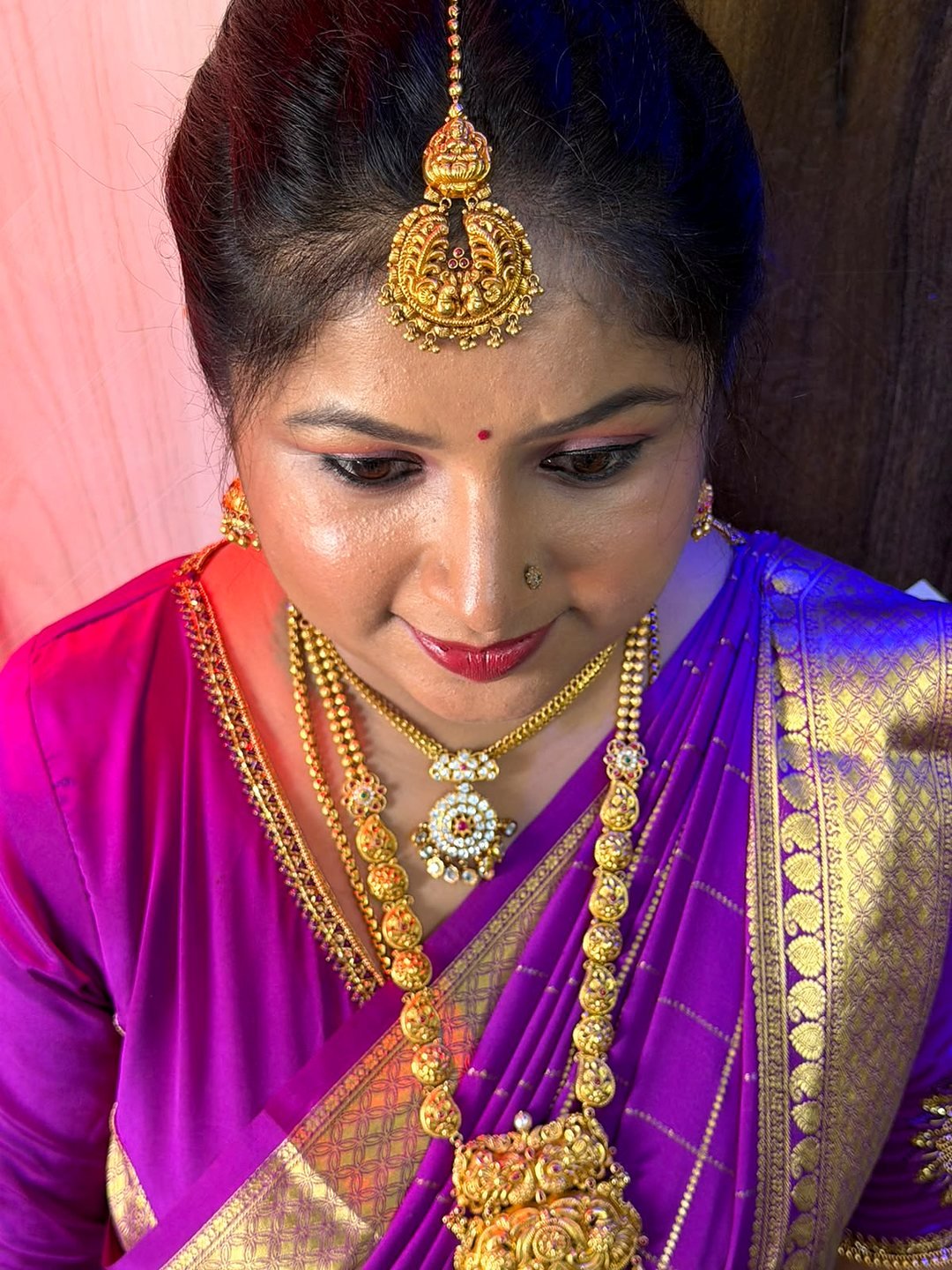
Studio strobes, natural window light and outdoor daylight all treat skin differently. Strobes are controlled and can be shaped precisely. Window light is soft and flattering but changes through the day. Outdoor light in Bengaluru can be bright and fairly hard in the middle of the day and warm and forgiving towards evening.
Tell your makeup artist where and when you are shooting, and whether you plan any tight beauty close-ups. A close crop on the eyes or lips asks for more precision than a full-length look, while some editorial stories deliberately embrace visible skin texture. Knowing the frame helps the artist decide where to spend time and how far to push the look.
Prepare the models and talent
The face that arrives in the chair makes a real difference to the result. A few simple requests to your models or talent go a long way:
- Arrive with clean, well-moisturised skin and no makeup unless asked otherwise
- Follow the hair stylist’s instructions on whether to arrive with washed or unwashed hair
- Avoid trying new skincare products or treatments in the days before the shoot
- Share any allergies or sensitivities in advance, along with any advice from their dermatologist
- Get proper rest the night before, especially before an early call
If several models are involved, collect this information once and pass it on in one message, with photos of each model where possible.
If it’s a runway show
Fashion shows bring their own rhythm. Backstage, a single look is usually recreated on many models in a short window, so consistency matters more than individual perfection. A clear face chart or reference look, agreed with the designer in advance, keeps everyone aligned.
Share the model count, the call time, the show time and how much backstage space you have. If there are quick changes or a second look partway through the show, flag them early. Shows rarely give you extra time on the day, so planning beforehand is everything.
A well-planned fashion shoot feels calm, even when it is busy. The clothes, hair, makeup and light all point in the same direction, and changes happen without drama. That clarity comes from the conversations held before the shoot day.
You can read more about fashion shows and editorial makeup, browse the portfolio, or see how planning differs for advertising shoots. When you’re ready, share your shoot plan and dates or send a message on WhatsApp.
Planning something similar? Share your date, location and the look you have in mind, and Aarav will get back to you with availability and next steps.
Enquire on WhatsApp (opens WhatsApp)Explore Fashion & Editorial Makeup