The best bridal makeup rarely comes from a single brilliant morning. It comes from a few good conversations in the weeks before, when you and your artist get on the same page about the schedule, the outfits, your skin and the feeling you want each look to carry. Here is what is worth talking through, and why each piece matters.
Your schedule, functions and venues
Start with the full picture of the wedding. List every function you want makeup for, whether that is haldi, mehendi, sangeet, muhurtham, reception or all of them, along with the date, the venue and the time you need to be ready. Ready means ready for photographs, not the time the ceremony begins on the invitation.
Be specific about where you will get ready. A hotel room, your family home and a room at the venue each come with different space, light and travel considerations. If there are back-to-back functions on the same day, or travel between venues across Bengaluru traffic, mention it early so the timing can be planned honestly rather than squeezed on the day.
Outfits, jewellery and hair
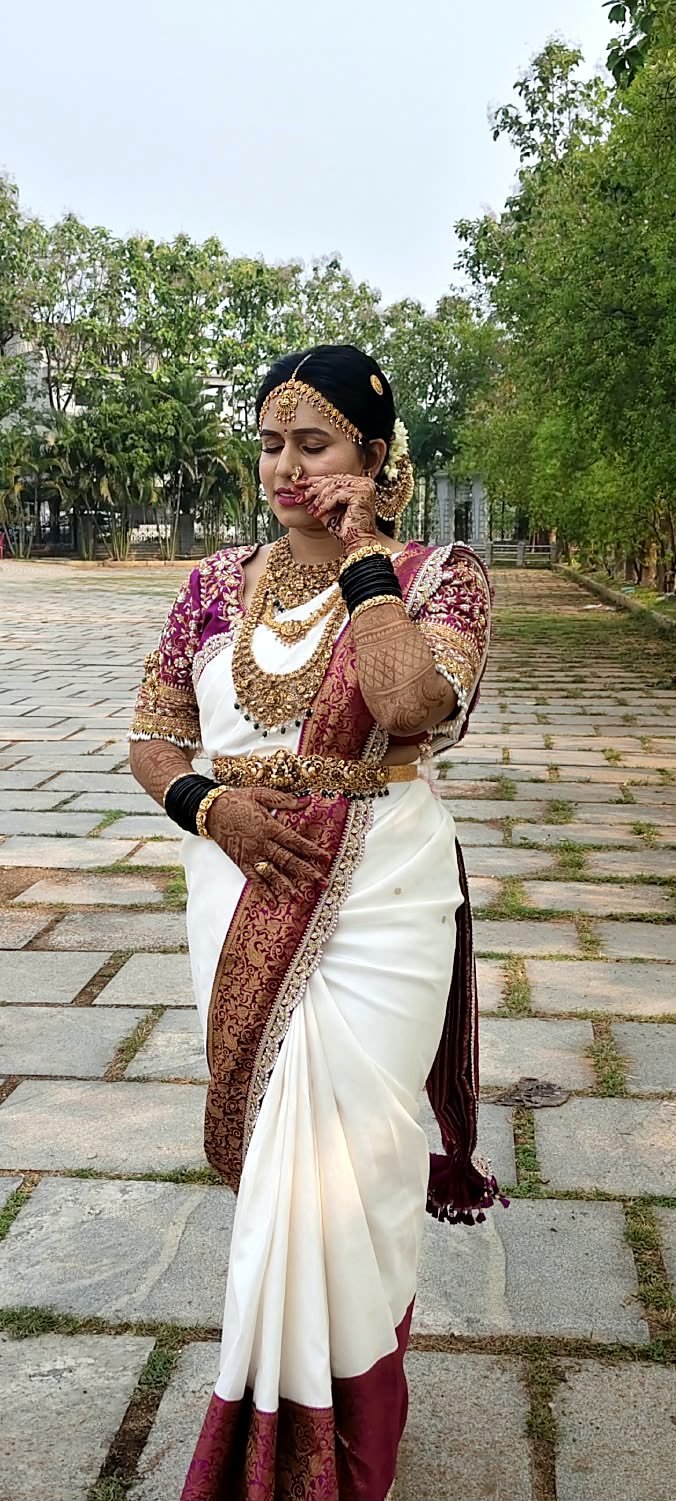
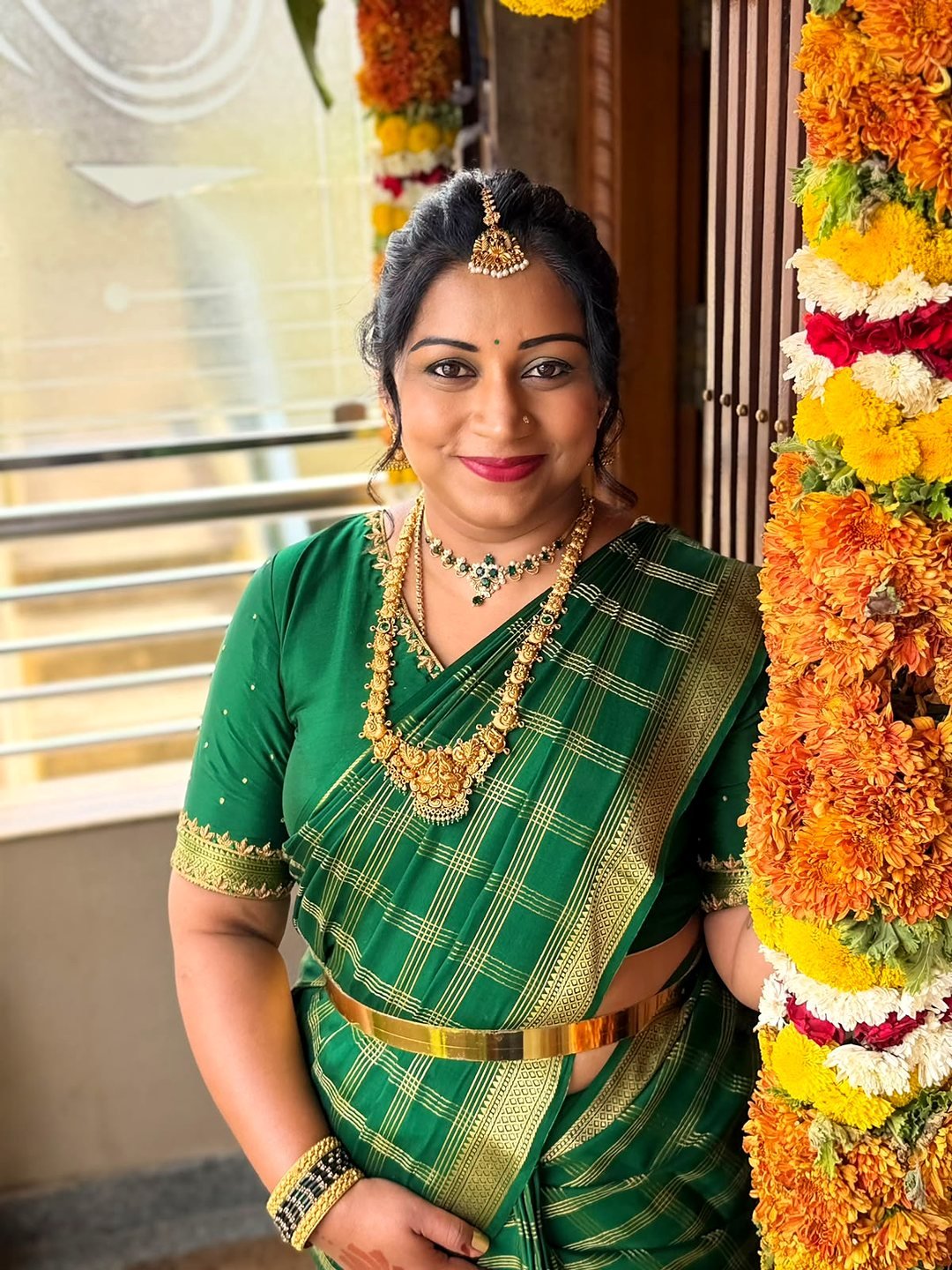
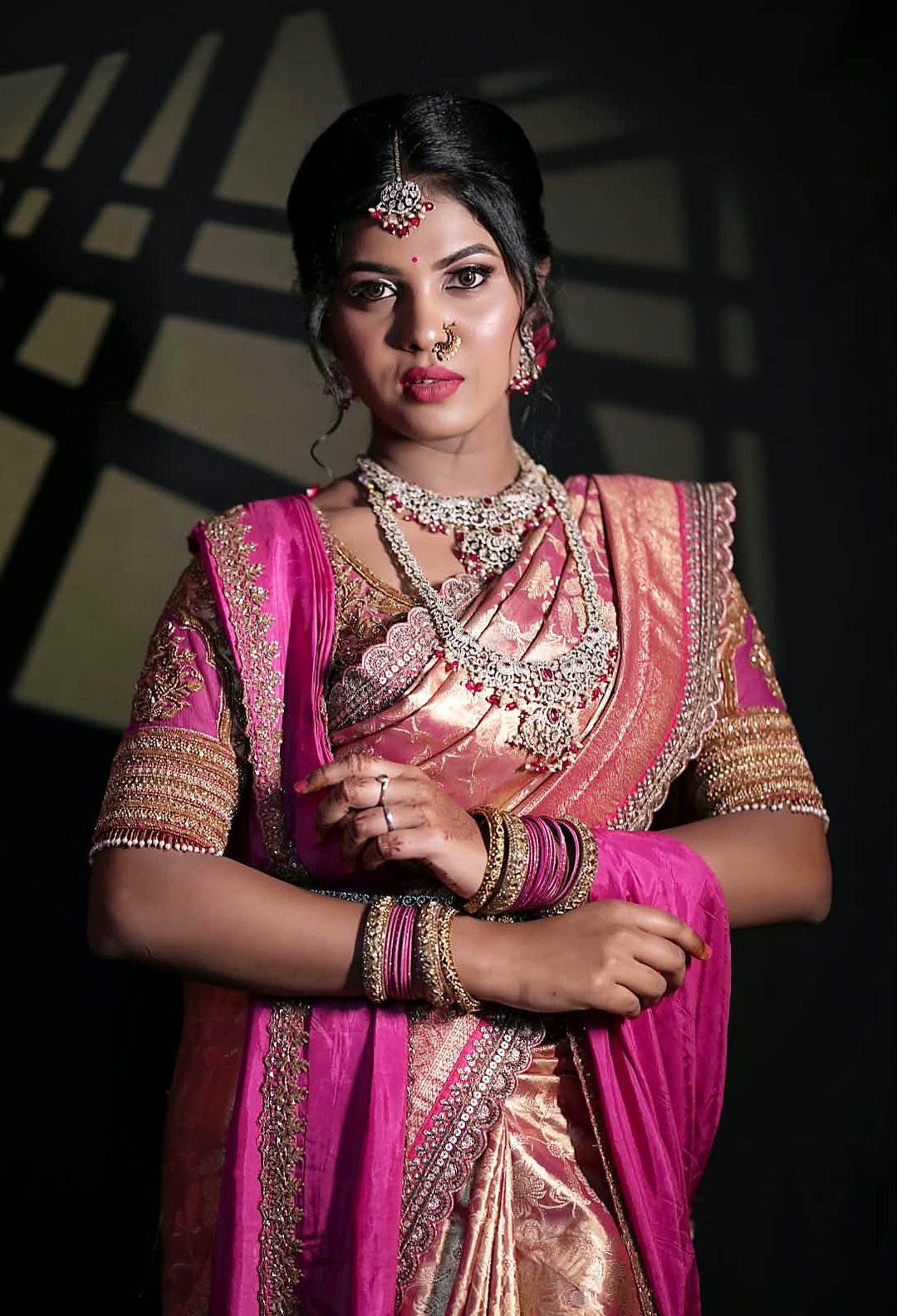
Your makeup has to work with everything else you are wearing. Share photos of each outfit, or at least the colours and fabrics, along with the jewellery you plan to wear with it. A heavy temple jewellery set, a delicate diamond necklace and a mostly bare neckline each change what the face needs.
Talk about hair in the same conversation. Will you wear flowers such as jasmine or a gajra? Is there a particular hairstyle for the muhurtham and a change for the reception? Clarify who is handling hair and saree or dupatta draping, because these steps affect the overall timeline as much as the makeup does.
Your skin and any sensitivities
Tell your artist plainly about your skin: whether it tends to be dry, oily, combination or reactive, what your usual routine looks like, and how it behaves in heat. Mention any allergies or sensitivities you know about, any products that have caused reactions in the past, and any treatments you are having or planning.
If you see a dermatologist, follow their advice on what to do, and when, in the lead-up to the wedding, and share anything relevant with your artist. The general principle is simple: avoid surprises. A new product or treatment tried for the first time a few days before a function is a risk you do not need.
The looks you want, and the ones you don’t
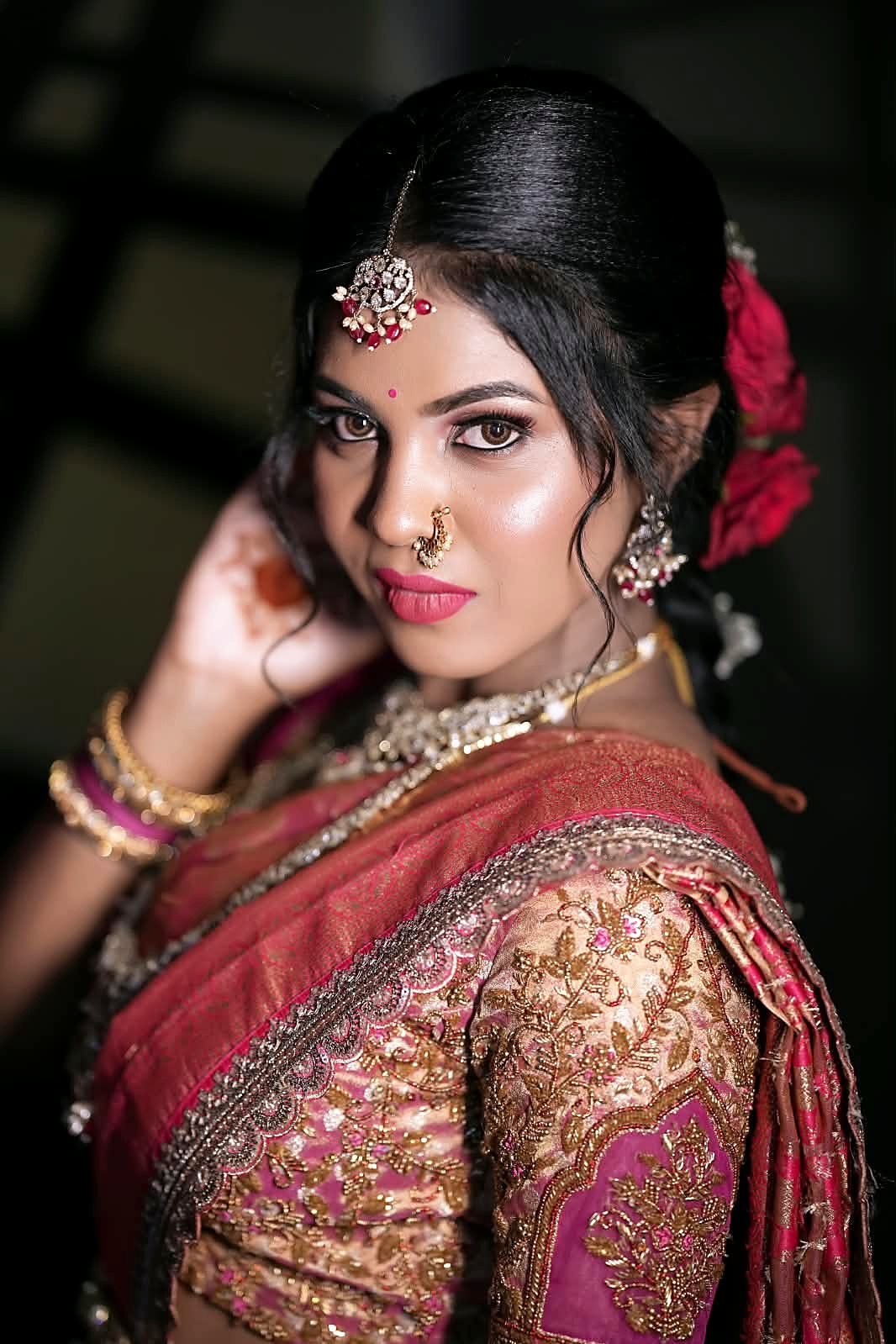
Reference images are the fastest way to a shared understanding, but they work best with a little explanation. For each image, say what you like about it. Is it the skin, the eye shape, the lip colour, the overall softness? Equally useful are images of looks you don’t want, because “not too heavy” means very different things to different people.
It also helps to describe how you normally wear makeup. Someone who wears a bold lip every day will feel different in a soft look than someone who rarely wears makeup at all. Be honest about what makes you feel uncomfortable, whether that is false lashes, a dark lip or heavy contour, so the looks feel like you rather than a costume.
Show what you love, show what you don’t, and say why. That one habit prevents most bridal makeup misunderstandings.
Who else needs makeup
Weddings often involve more faces than just the bride. Your mother, sisters, cousins or close friends may also want makeup for one or more functions. Share the number of people, which functions they need, and when each of them has to be ready.
This matters for planning. Every additional person adds time to the morning, and the bride usually needs to be finished early enough for photographs and rituals. Knowing the full list in advance means the order and timing can be worked out properly, instead of being negotiated in a crowded room on the day.
The practical and commercial details
Finally, be clear about the practical side. Pricing, trials, advance payments, travel and what happens if dates or timings change are all discussed and confirmed directly with your artist when you enquire, so ask every question you have and keep the answers in writing.
Think about the getting-ready space as well. Good natural light near a window, a sturdy chair, a table, a nearby power point and a little quiet make a real difference to how smoothly the morning goes.
Before your wedding, make sure your artist knows: every function with its date, venue and ready time; where you will get ready; your outfits, jewellery and hairstyle plans; who handles hair and draping; your skin type, sensitivities and any dermatologist advice; reference images you love and ones you don’t; and everyone else who needs makeup, with their timings.
Plans change during wedding season. Outfits get swapped, timings move, and an extra function sometimes appears on the calendar. Let your artist know as soon as anything shifts, even if it seems minor. Small updates shared early are easy to absorb; surprises on the morning are not.
If you are still deciding who to work with, how to choose a bridal makeup artist in Bangalore covers what to look for. You can also read more about bridal makeup and browse the portfolio. When you’re ready, share your date and details or send a message on WhatsApp, and the conversation can begin from there.
Planning something similar? Share your date, location and the look you have in mind, and Aarav will get back to you with availability and next steps.